
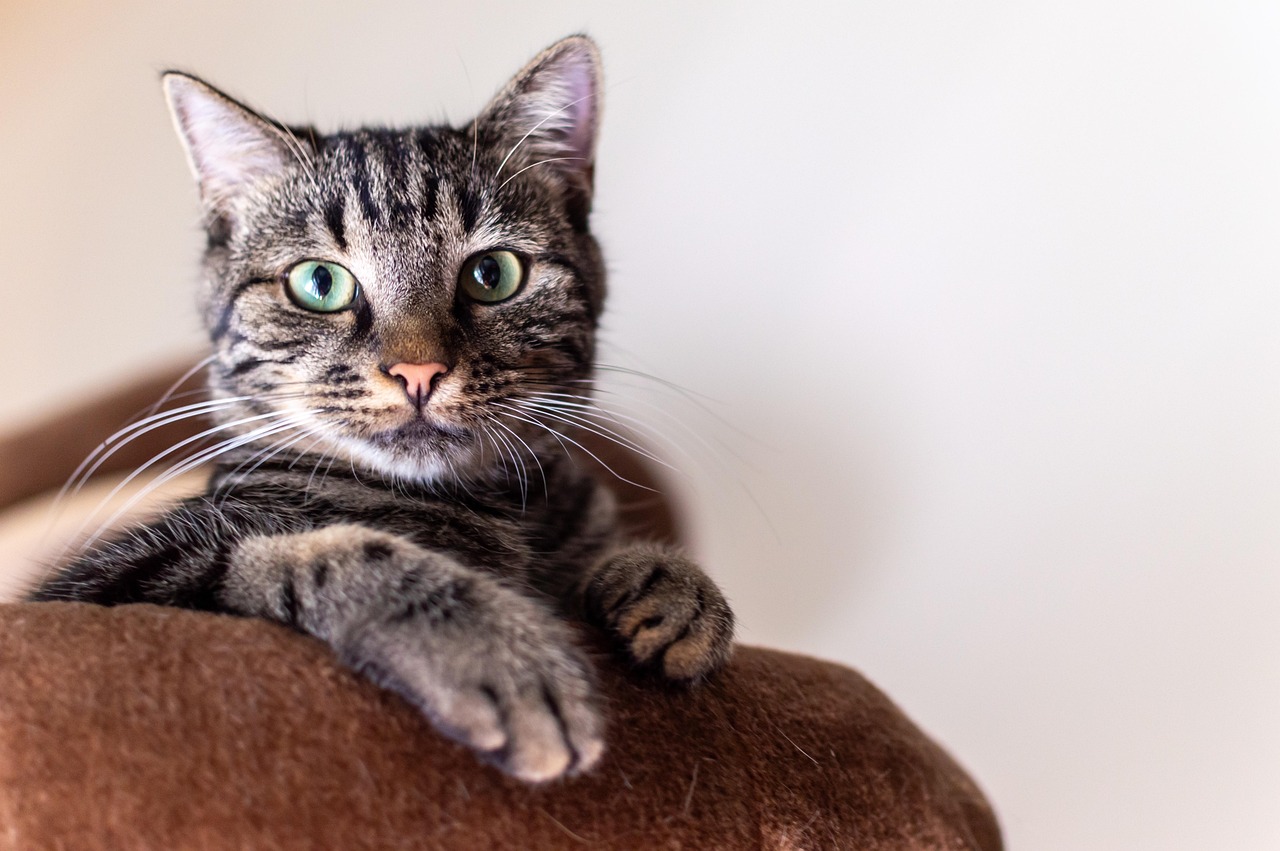
A new Swedish study suggests that keeping a cat at home does not worsen asthma in children who already have the condition.
Study design and population
Researchers linked data from several national registers, including the National Patient Register and the National Cat Register, to follow more than 30,000 children aged 4 to 17 who had been diagnosed with asthma or airway allergies. The cohort was tracked from 2023 through 2024. About 9.4 percent of the participants lived with at least one cat.
The investigators, led by Resthie R. Putri, PhD and senior author Catarina Almqvist Malmros, MD, PhD, examined asthma severity, flare‑ups that required medical care, control scores and lung‑function tests. They compared outcomes for children in households with cats to those without.
Key findings
Children exposed to cats showed virtually the same asthma outcomes as those who did not share a home with a cat. Moderate‑to‑severe asthma was recorded in 9.5 percent of cat‑exposed children versus 10.1 percent of their peers without cats. Asthma attacks occurred in 3.3 percent of the former group and 3.5 percent of the latter. Lung‑function measurements revealed no meaningful differences.
The data are reassuring.
The number of cats, as well as the animals’ age or sex, did not appear to influence the results. Putri noted in a press release that the short‑term findings “show…that children living with a cat had similar asthma severity, exacerbation, asthma control and function to children living without cats.”
Related: New Look at Moderate Alcohol Consumption Habits
One possible explanation offered by the team is that children without cats may still encounter cat allergens in schools, public transport or other shared spaces, which could blunt any contrast between the two groups.
It is worth noting that the study could not identify which specific allergens each child reacted to, so it cannot confirm whether children allergic to cats experienced different outcomes.
Sweden’s cat registry is relatively new, meaning some households with cats may have been misclassified as cat‑free. The researchers also did not track how much time the cats spent indoors or how long children had been exposed.
These limitations mean the results do not answer every question about pets and asthma, but they do challenge a common assumption that cats inevitably aggravate the condition.
For families dealing with pediatric asthma, the findings provide a data point to discuss with healthcare providers. Parents may feel less pressure to rehome a cat, especially if the animal is a source of comfort for the child.


