
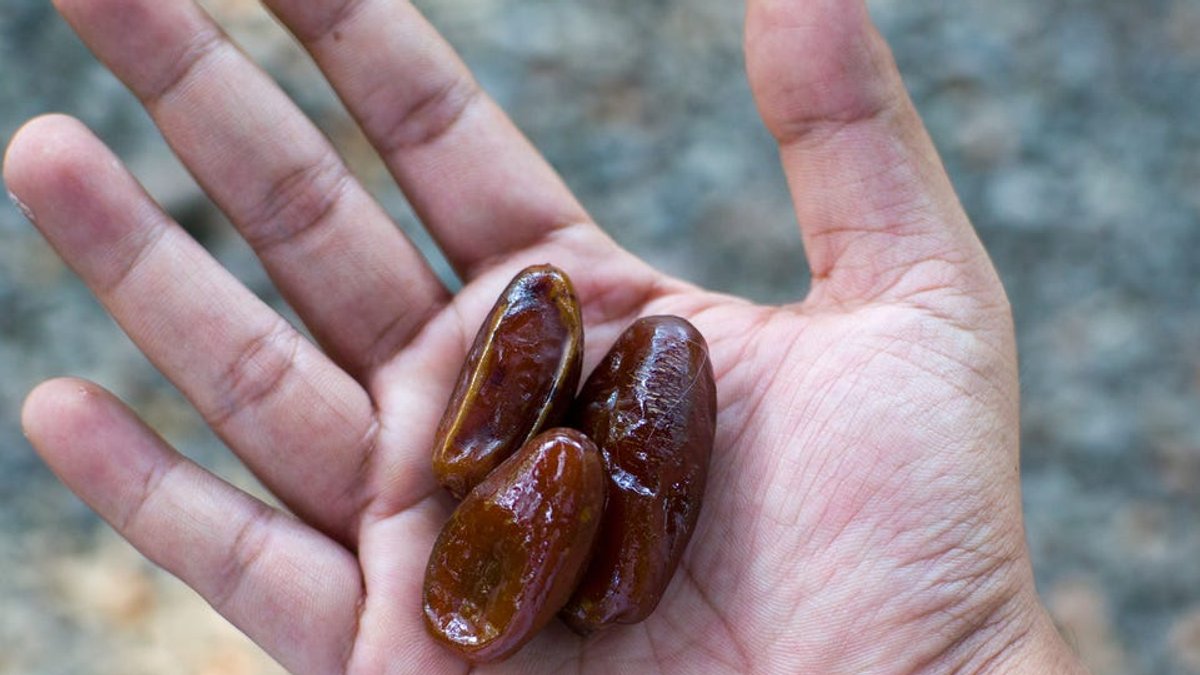
Convenience and effectiveness drive most runners toward gels and blocks for long-run fuel. However, a growing number of athletes prefer to avoid processed foods, seeking alternatives that align with a whole-food diet. While natural options are generally healthier, they introduce logistical challenges during exercise. The primary goal remains meeting energy demands without causing digestive distress.
“Fuel is the master,” says Carissa Galloway, a registered nurse.
She is also a race announcer who emphasizes that during long exercise, individuals need easily absorbed carbohydrates that do not upset the system.
The Math of Fueling
Runners must first determine their specific nutritional needs per hour. Jason Machowsky, a registered dietitian and co-founder of Master My Run, suggests focusing on three elements: fluid, carbohydrates, and electrolytes.
A standard guideline for runs lasting over an hour is at least 30 grams of carbohydrates every 30 minutes. High-intensity efforts may require significantly more. Common natural sources include bananas, rice, bagels, and apples, though the density varies by item.
Fructose found in fruit absorbs slower than the glucose in many engineered gels. That physiological difference means athletes must time their intake earlier than they would with processed sugars. Dried fruit offers concentrated energy but requires additional water due to lower moisture content.
As endurance events grow longer, the industry might see a shift back toward natural fuel sources.
Related: Lightweight Specter 3 redefines running comfort
However, the convenience factor of engineered nutrition remains a high hurdle for most amateur athletes to clear consistently.
Storage and Logistics
Packaging is a major reason gels remain popular.
These alternatives require careful planning to ensure they stay dry, accessible, and palatable. Participants must decide if they will use a belt, vest, or pockets to carry their fuel.
Belts like the SPIBelt can hold energy balls or rice bites. Softer recipes may get squished, so firmer snacks like Almond and Chocolate Chip Energy Bites often work better when frozen beforehand. Doing so helps them hold their shape and soften gradually during the run.
Medjool dates provide about 18 grams of carbs each and fit easily into hydration belts. Because they lack sodium, adding salt is necessary. Users must also ensure the dates are unpitted to avoid a choking hazard.
Vests and Pockets
Running shorts with ample pockets, such as models from Oiselle, allow for carrying baby food pouches. Brands like Happy Baby and Once Upon a Farm offer options with 15 to 17 grams of carbohydrates. However, unscrewing the cap while moving can be difficult, and carrying the empty pouch requires a plan.


