
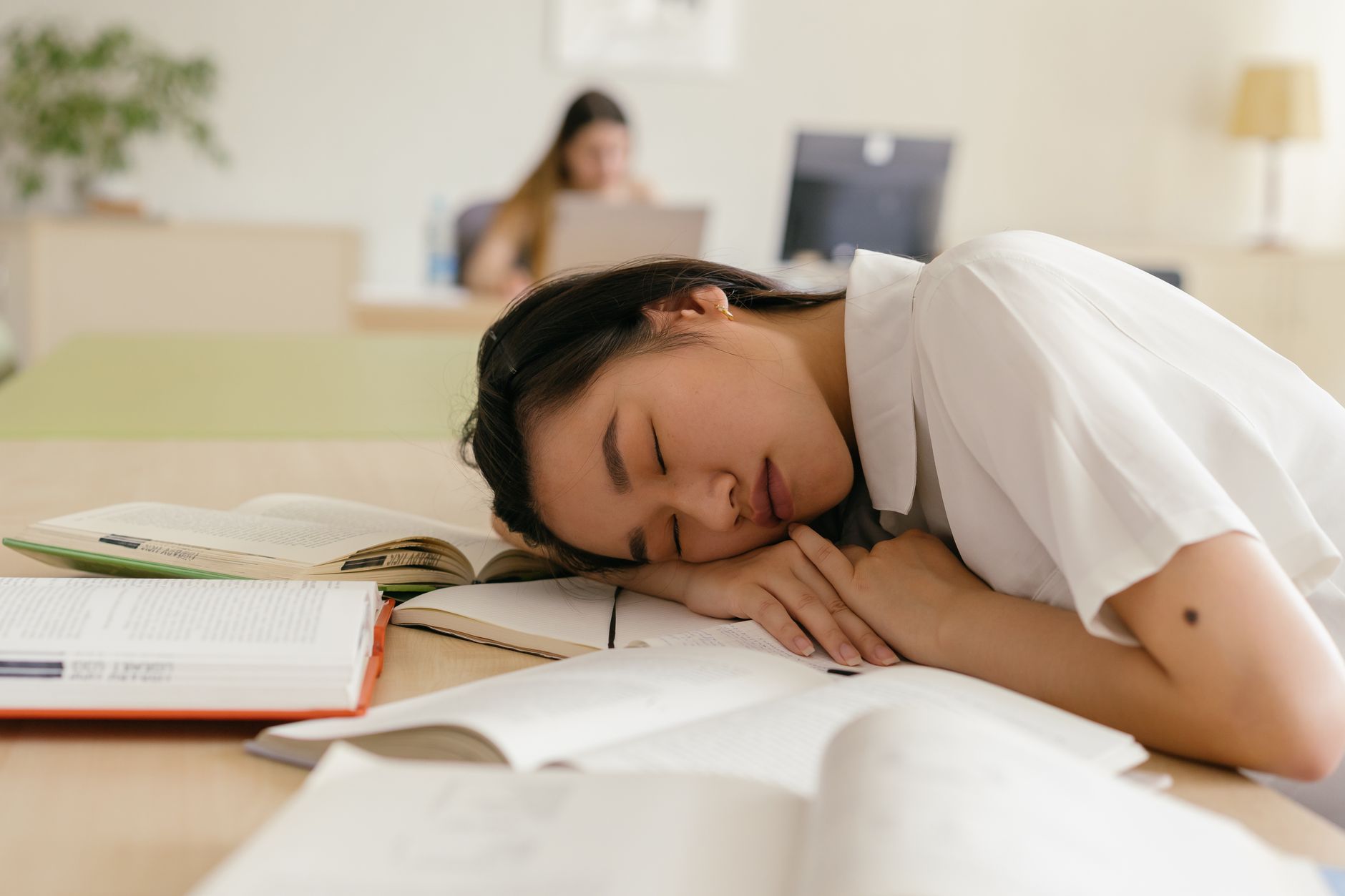
College students sleep less than the amount recommended for healthy brain function, a new study finds, and the shortfall appears linked to lower grades.
Sleep matters.
Long‑term tracking reveals a modest decline in rest
Researchers at Temple University equipped 76 undergraduates with wearable devices for a four‑year period, gathering more than 61,200 daily sleep records. The data show that, on average, students got eight more minutes of sleep each night from freshman to senior year.
Sleep duration also shifted throughout the academic calendar. Students tended to catch fewer hours at the start of the term, during fall finals in November‑December, spring midterms in February‑March, and the final exams in April‑May. Overall, the nightly average dropped as semesters progressed.
Related: Study Links Cats to Increased Asthma in Children
“College is a unique time of life when students experience major changes in their daily routines, academic demands and social lives,” said Yao Zhao, a coauthor and PhD candidate in statistics at Temple, in an email. He noted that previous research often captured only a single semester, whereas this study followed participants across all four years.
Sleep amount correlates with academic performance
The investigation linked sleep length to grade point average (GPA). Students with higher GPAs consistently logged more sleep than peers with lower GPAs, a pattern that persisted despite the seasonal dips in rest.
“Academically stressful times such as exam periods are a particularly important time for students to pay attention to their sleep and overall well‑being,” Zhao explained. The team concluded that maintaining adequate sleep may support long‑term academic achievement.
In the dataset, the relationship between sleep and grades remained significant after accounting for other variables, suggesting that the observed trend is not merely coincidental.
Comparing this to past investigations, the extended timeline offers a clearer view of how sleep habits evolve as students mature academically and socially. Earlier studies that focused on single semesters often reported mixed results, possibly because they missed the gradual changes captured here.
Related: Learn All Types of Cheese you can Find and Taste in the UK
Practical steps for better rest
The authors propose several strategies to help students improve their sleep hygiene. Keeping a regular bedtime and wake‑up schedule is recommended, as consistency can reinforce the body’s internal clock.
Reducing exposure to artificial light from phones and computers at least 30 to 60 minutes before sleep may also aid falling asleep faster. Likewise, avoiding meals after seven o’clock and sticking to steady eating times can prevent disruptions to circadian rhythms.
These suggestions aim to balance academic responsibilities with the need for restorative rest, emphasizing that time spent sleeping should not be viewed as time taken away from studying.
The study, published in PLOS One, adds to a growing body of evidence that sleep is an important component of student success. Institutions may consider integrating sleep education into orientation programs, offering resources that address both timing and duration of rest.


