
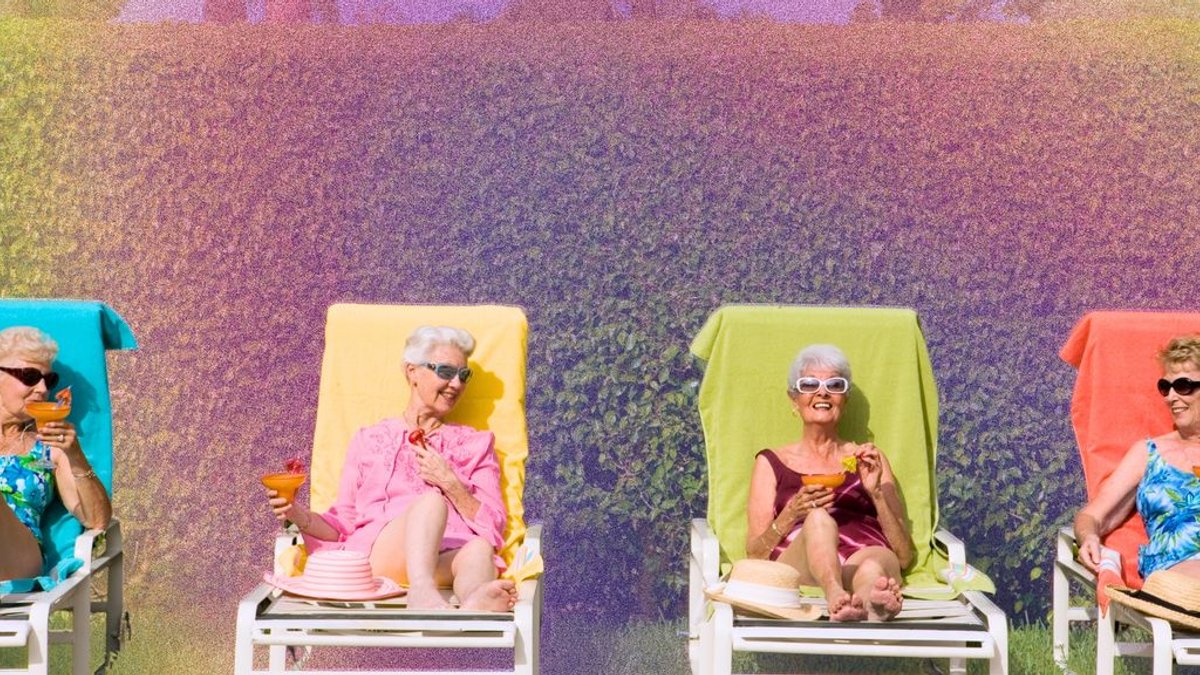
Research and personal stories show many single older women report high satisfaction, challenging old assumptions that marriage is the only route to a fulfilled life.
From stigma to choice
In the 1980s, a woman who said she didn’t want a husband was often labeled “broken.” Joan, now 79, recalls a therapist who asked, “What kind of husband would you want, if you had one?” Her answer—“someone who’s never home”—was a joke that sparked a deeper insight: “Some people genuinely live their best lives independently.”
Historically, unmarried women were cast as “old maids” or “cat ladies,” a status seen as temporary until a suitable partner appeared. Over time, that narrative has softened.
What experts say
Sociologist Bella DePaulo, PhD describes a growing group of women who prefer singlehood as a genuine preference rather than a fallback. “I still smile when I think about the men I dated when I was a very young adult,” she says, adding that the relief after each breakup felt “finally free.” DePaulo argues that couples often carry the mental presence of a partner, which can limit personal focus.
Related: Taming the Digital Healthcare Data Deluge
Data from a health survey shows 78% of dating‑app users feel burnout, and sexual inactivity among women in their 20s and 30s has risen roughly 50% over the past decade. These trends align with a cultural appetite for stories that prioritize friendship and personal growth, as seen in recent films.
One 73‑year‑old says her favorite part of single life is “not having to bicker or put up with an incompetent man,” describing herself as “the least stressed I’ve ever been.”
Others enjoy spontaneous solo travel, weekly gatherings with friends, and the freedom to adopt pets or launch small enterprises on a whim.
While some still engage in casual dating, many have opted out entirely, showing that the decision to remain single is often a deliberate, ongoing process rather than a single moment of rebellion.
The ability to choose this path is relatively new. For centuries, marriage offered women financial security and social acceptance, limiting alternatives.
Related: Students urged to prioritize sleep for better grades
One practical implication of this shift is the redefinition of intimacy. Without the need to coordinate daily life with a partner, single older women can allocate more time to hobbies, community involvement, or simply rest. This autonomy can translate into lower stress levels and a clearer sense of self.
From a policy perspective, growing numbers of unmarried adults may influence housing markets, health‑care planning, and social services, as more people seek independent living arrangements.
Continued happiness into later years
Studies indicate that satisfaction with singlehood rises after the mid‑40s. Many single older ladies often face pressure to justify their lifestyle, but many simply stop explaining. “They just…live,” one observes, highlighting a quiet confidence that comes from not performing for external approval.
Overall, the evidence suggests that single older women are not merely coping; they are thriving in ways that differ from traditional marital narratives. Their stories highlight a shift from viewing marriage as inevitable to recognizing singlehood as a valid, fulfilling choice.


