
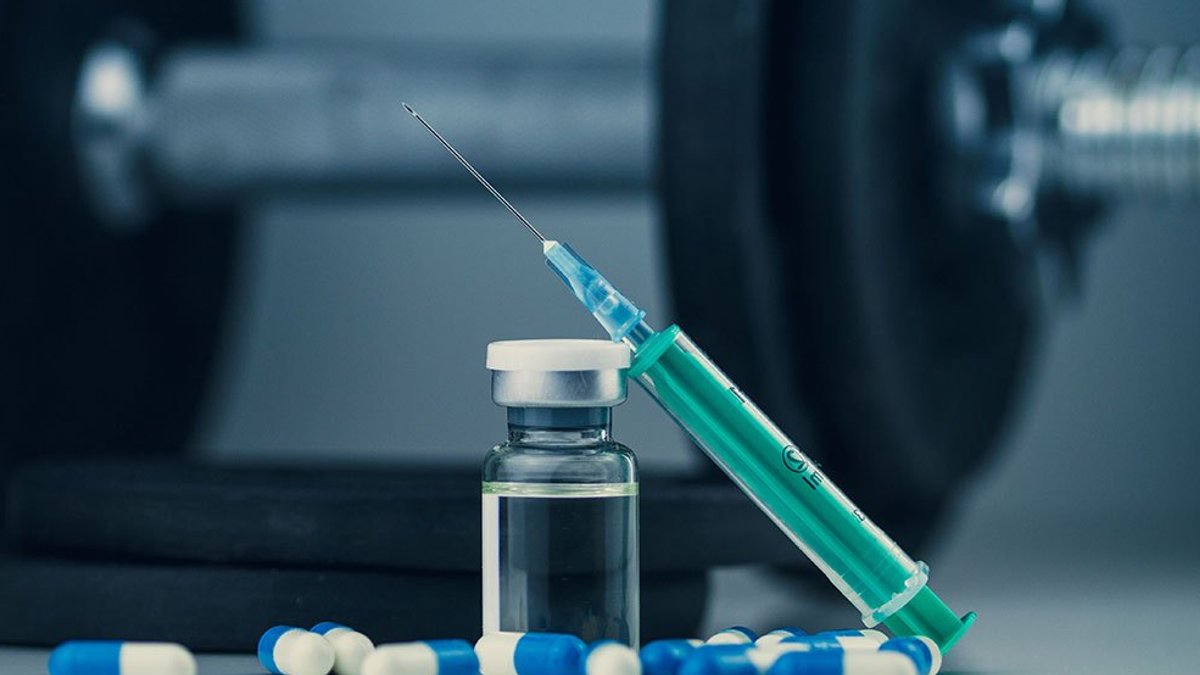
The World Anti-Doping Agency has updated its 2027 Prohibited List, sending a strong message to athletes who search for loopholes. The new list takes effect on January 1, making it harder for athletes to claim an experimental substance is legal simply because it is not explicitly named. BPC-157, for example, was already prohibited under the rules for non-approved substances. I am 100% for researching new performance drugs.
What’s New on the 2027 List?
A key change is the explicit mention of peptides in the category for non-approved substances. The U.S. Anti-Doping Agency has warned athletes not to assume an unlisted peptide is a safe bet. Peptides are chains of amino acids, and some are established medicines. The new wording in the S0 category is a clarification, not a blanket ban on all peptides. Insulin is a peptide, and some peptides fall into other prohibited categories.
This change targets a common strategy. Some athletes treat the prohibited list like a treasure map, looking for substances with names that sound like chemical codes or vials marked “research use only.” The updated language closes a gap, making it harder to pretend an unlisted research chemical is permitted. That’s a useful distinction, because the peptide business has become a sprawling mess of legitimate medicine, promising research, questionable claims, and little bottles of who-the-hell-knows-what.
Other Notable Additions
The 2027 list also adds two experimental metabolic modulators, SLU-PP-332 and SLU-PP-915, as examples in the hormone and metabolic modulators category. It also includes examples of diuretics and masking agents, such as eplerenone and finerenone. These drugs have legitimate medical uses but can be prohibited in sports depending on the context. The prohibited list isn’t just a catalog of things somebody invented to cheat; it can include ordinary prescription medications.
Cannabis and Athlete Responsibility
The list also clarifies rules around cannabis. Psychoactive THC-related cannabinoids, including certain synthetic versions, are prohibited in competition. While CBD itself is not banned, a product containing undeclared THC can still lead to a failed drug test. A CBD product with undeclared THC creates a problem for athletes who rely on it.


