
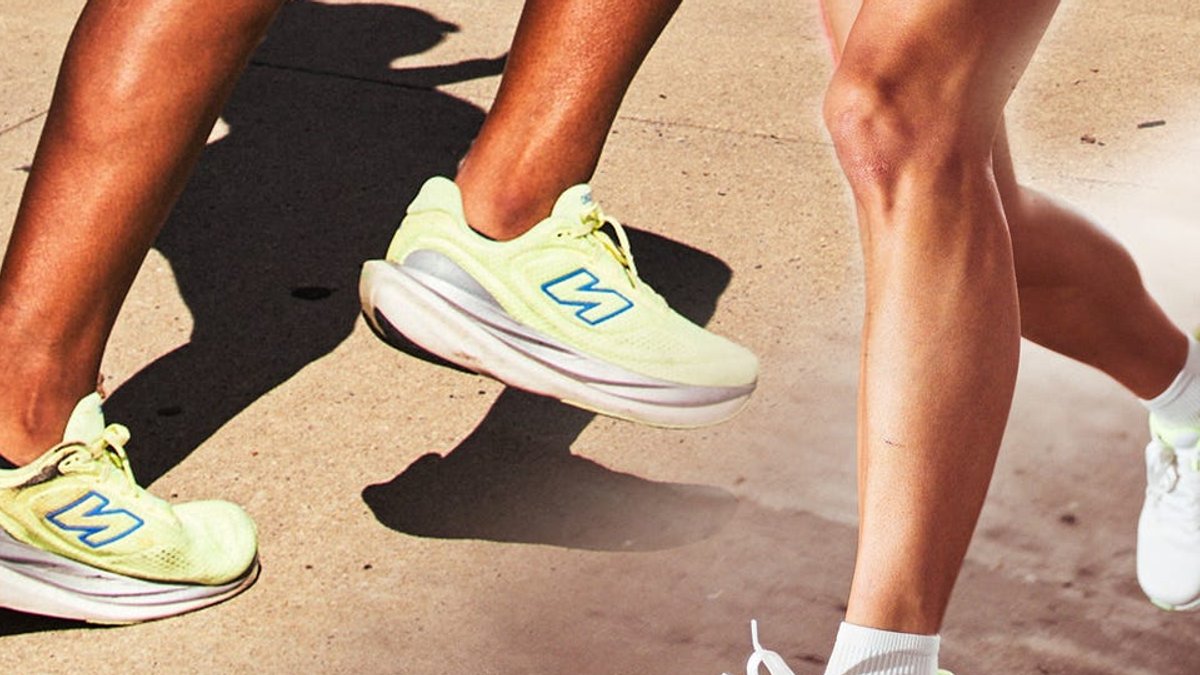
The New Balance 1080v15 and Hoka Clifton 11 are max-cushioned daily trainers built for recovery and long runs, though each suits different foot shapes and running styles. A group of wear-testers completed hundreds of miles in both shoes to assess fit, cushioning, and stability—elements that determine comfort over time.
Fit and upper design set them apart
The New Balance 1080v15 introduces an updated upper that molds to the foot, featuring perforations for improved ventilation. Runners with narrow feet described it as secure without feeling tight, while those with wider feet found it less accommodating than other options. A gusseted, padded tongue secures the foot, minimizing slippage during runs.
Tester Nina Rems usually favors shoes with a wider toebox but had no complaints about the 1080v15. “Normally I look for sneakers with a wider toebox (i.e., Altra, Topo), but these felt great, no issues on long runs (or any runs) with my bunions,” she explained. Its Infinion foam offers a lively bounce, helping maintain pace during extended efforts.
The Hoka Clifton 11 contrasts with a softer, mesh upper that feels more flexible. While the tongue lacks gussets, two keeper loops keep it centered. Runners with wide or flat feet praised the roomier toebox, which allows natural toe movement without excess looseness. An updated sockliner enhances comfort, though some noted it feels slightly firmer than the Clifton 9.
Cushioning and ride feel
Both models include a rocker sole, which eases transitions whether running, walking, or alternating between the two. This feature proves especially useful on recovery days when maintaining momentum can be difficult. Beyond this, their designs diverge.
The New Balance 1080v15’s Infinion foam creates a springier, more energetic feel.
The Clifton 11 prioritizes a softer, more stable experience. Though not a stability shoe, its wider base offers reassurance for runners with flat or wide feet. The cushioning absorbs impact effectively over long distances, making it popular among walkers and run-walkers.
Related: Top Marathoners Share Race Day Tips
These distinctions may explain why runners prefer one over the other. The 1080v15’s responsiveness suits those seeking extra energy return, while the Clifton 11’s plushness appeals to runners who value comfort and stability over speed.
Preferences aren’t always predictable. A tester with wide, flat feet expected to favor the Clifton 11 but often reached for the 1080v15 instead, particularly on long runs. Its snug fit and breathable upper reminded them of an earlier Clifton model they’d enjoyed, showing how personal taste can override general recommendations.
Which shoe should you choose?
The New Balance 1080v15 works best for runners with narrow feet who want a lively, responsive ride for long or tempo runs. Its Infinion foam maintains performance over many miles, and multiple width options accommodate those needing extra space. The upper’s ventilation and streamlined design make it well-suited for hot-weather running.
The Hoka Clifton 11 excels for runners with wide or flat feet needing a stable, cushioned shoe for recovery runs or walk-run routines. Its plush upper and roomy toebox reduce pressure on sensitive areas, while the wider base enhances security. Walkers also favor it for its soft yet supportive cushioning.
Deciding between them depends on fit and intended use. Each shoe performs well in its category, but an ill-fitting choice can cause problems. Trying them in person—or ordering from a retailer with a flexible return policy—can prevent costly errors.
For those monitoring their effort, keeping an eye on heart rate during runs can help optimize performance and recovery.


