
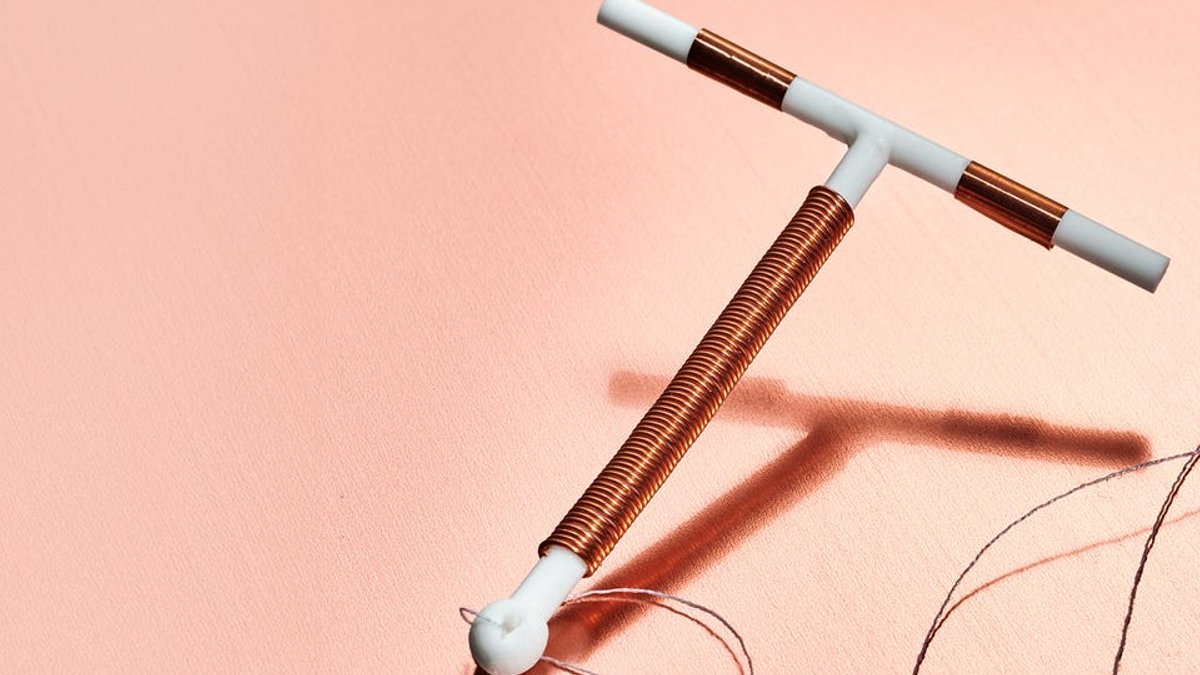
The hormonal intrauterine device, or IUD, presents a targeted solution for women working through the unpredictable hormonal fluctuations of perimenopause. This transitional phase often brings symptoms such as night sweats, heavier menstrual bleeding, anxiety, and disrupted sleep patterns. While conventional treatments—including oral pills, transdermal patches, or topical creams—provide some relief, they frequently fail to address the core issue: the instability of estrogen and progesterone levels. The IUD, however, delivers a controlled dose of synthetic progesterone directly to the uterus, which can alleviate heavy bleeding and pelvic pain without the systemic side effects that plague other methods.
Products like the Mirena and Liletta IUDs contain 52 milligrams of levonorgestrel, a synthetic form of progesterone. Over time, this hormone thins the uterine lining, which reduces the intensity of menstrual flow. Unlike progesterone delivered through pills or patches, where the hormone travels throughout the body and may cause drowsiness or mood swings, the IUD’s localized release minimizes these broader effects. For women who experience adverse reactions to systemic progesterone, this targeted approach offers a more tolerable alternative.
For women in their late 40s and early 50s, the decision to use an IUD extends beyond symptom management. The device’s longevity is a key advantage: a single insertion can provide up to eight years of protection. This extended duration can be particularly beneficial for women balancing professional, familial, and personal obligations, as it eliminates the need for daily pill-taking or weekly patch replacements.
Pain and placement hurdles persist
However, the procedure is not without challenges. A 2023 study published in The European Journal of Contraception and Reproductive Health Care assessed the pain of over 1,000 women who got IUDs placed, and about half of women who had an IUD insertion said they felt “intense” pain, compared to none, light, or moderate pain. Yen emphasizes that a paracervical block, a localized anesthetic injected near the cervix, can significantly ease discomfort during placement. Despite this option, the initial pain remains a barrier for some women considering the IUD as a perimenopause management tool.
The IUD does not serve as a universal remedy. Women with irregular but not excessively heavy periods may find greater relief from hormonal pills or vaginal rings, which can help stabilize their cycles more effectively. Additionally, those with a history of hormone-sensitive cancers, such as certain breast or endometrial malignancies, should avoid high-dose progesterone or estrogen therapies, including IUDs. For these individuals, topical vaginal estrogen creams, which have limited systemic absorption, can address symptoms like vaginal dryness and painful intercourse without increasing the risk of cancer recurrence.
Contraception needs rise as fertility declines
Unplanned pregnancies among women in midlife have risen sharply since 2020, according to recent data, showing the continued need for contraception even as fertility declines. The IUD’s dual function, managing perimenopausal symptoms while preventing pregnancy, makes it an attractive option for some. Yet the decision to use one must be tailored to individual needs, including the severity of symptoms, medical history, and personal tolerance for hormonal treatments.
Beyond its impact on menstrual bleeding, the IUD’s localized progesterone delivery can restore a sense of control for women whose perimenopausal symptoms interfere with daily life. The device’s low-maintenance nature, requiring no daily or weekly intervention, can be a turning point for those seeking long-term relief. Still, the initial discomfort of insertion remains a critical factor, and not every woman will find the benefits sufficient to outweigh the pain.
Beyond the IUD, other hormonal and non-hormonal options exist, each with distinct advantages. For instance, non-hormonal IUDs like the Copper T 380A provide long-term contraception without progesterone, making them suitable for women who cannot or prefer not to use hormonal methods. Meanwhile, lifestyle adjustments, such as dietary changes, stress management, and exercise, can complement medical treatments by mitigating some perimenopausal symptoms. The key lies in personalized care, where healthcare providers work with patients to align treatment choices with their unique physiological and emotional needs.


