
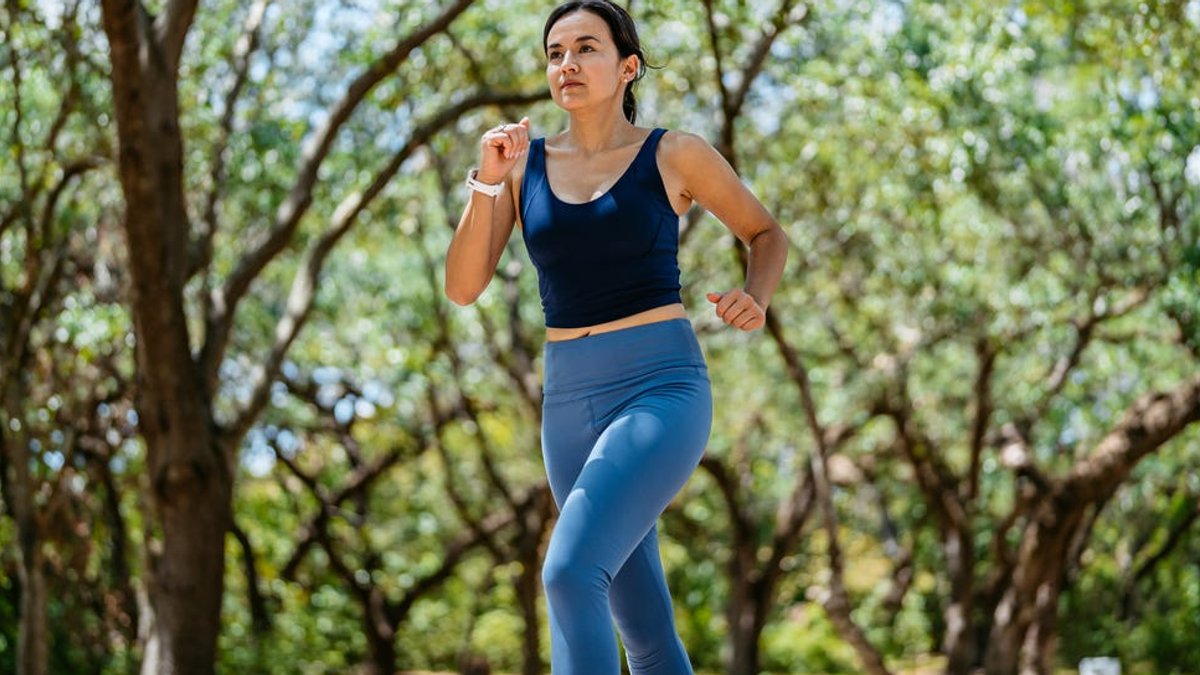
The run/walk method, developed by Olympic marathoner and running coach Jeff Galloway, has been around since the 1970s and has gained popularity as athletes learn that regular walk intervals can help them run further and faster. The method, also known as the ‘Galloway Method’, is used by athletes of all types, from those who run sub-3-hour marathons to runners who are just getting into the sport.
According to Chris Twiggs, chief training officer of the Galloway Training Programs, one rule applies to almost everyone: the walk interval typically lasts for 30 seconds, regardless of the length of the run intervals. Twiggs currently coaches between 220 and 250 athletes using the Galloway Method, including ultrarunners, people training for their first 5K, and those hoping to qualify for the Boston Marathon.
Twiggs notes that every single one of his athletes trains with 30-second walk breaks, and it’s just a matter of how much running is incorporated into their training. The use of 30-second walk breaks is a common thread among athletes of all levels, and this interval is effective for several reasons.
From One-Minute Walks to 30-Second Breaks
When Galloway first started recommending the run/walk method, he suggested running a mile and then walking for a minute, regardless of pace. However, as he and his team collected more data, they started tweaking the recommendation to personalize the run ratios based on pace, while still suggesting a one-minute walk. They found that when training for longer distances, runners would slow down during their later walk breaks, which would drag down their overall pace.
Twiggs explains that by shortening the walk break to 30 seconds, runners can get the recovery benefits they need without slowing down their overall pace significantly. This change was made about a decade ago, and it has been effective for most athletes. However, there are some exceptions to this rule, and Twiggs notes that not every run/walker follows the 30-second walk rule.
When the 30-Second Rule Doesn’t Apply
One exception is people who primarily walk and incorporate short bursts of running to increase their average pace slightly. These runners may walk for two minutes and run for 30 seconds, flipping the traditional run/walk to a walk/run. The Galloway Method sometimes recommends this for runners coming back from injury or for those who want gentle cross-training as a break from more intense running workouts.
Another exception is very experienced runners chasing fast finish times, such as a sub-3 marathon finish time. In these cases, athletes will typically take a 20-second walk break. The benefits of 30-second intervals include allowing runners to maintain a more natural pace.
Twiggs notes that shorter running intervals can help runners maintain a consistent pace. By incorporating regular walks into their runs, athletes can slow down their average pace without compromising their biomechanics. This can lead to a more comfortable stride and reduced pounding on the joints.
Adjusting Walk Breaks for Race Situations
For the vast majority of athletes, the 30-second walk breaks are the most effective way to incorporate walk intervals into their training. However, there are some instances where longer walk breaks may be necessary, such as when starting a workout or race too fast without a proper warm-up. In these cases, Twiggs recommends taking an extra walk or lengthening an existing walk to help lower the heart rate and recover from the anaerobic zone.
According to Twiggs, if an athlete feels extra tired towards the end of a race, it’s better to take more frequent short walks than fewer long walks. Instead, Twiggs suggests shortening the run segment and taking more frequent 30-second walks to help maintain a consistent pace.
Another instance where longer walk breaks may be necessary is during speedwork intervals. In these cases, athletes need longer walks after each repeat to give their body time to properly recover from the high-intensity efforts.


