
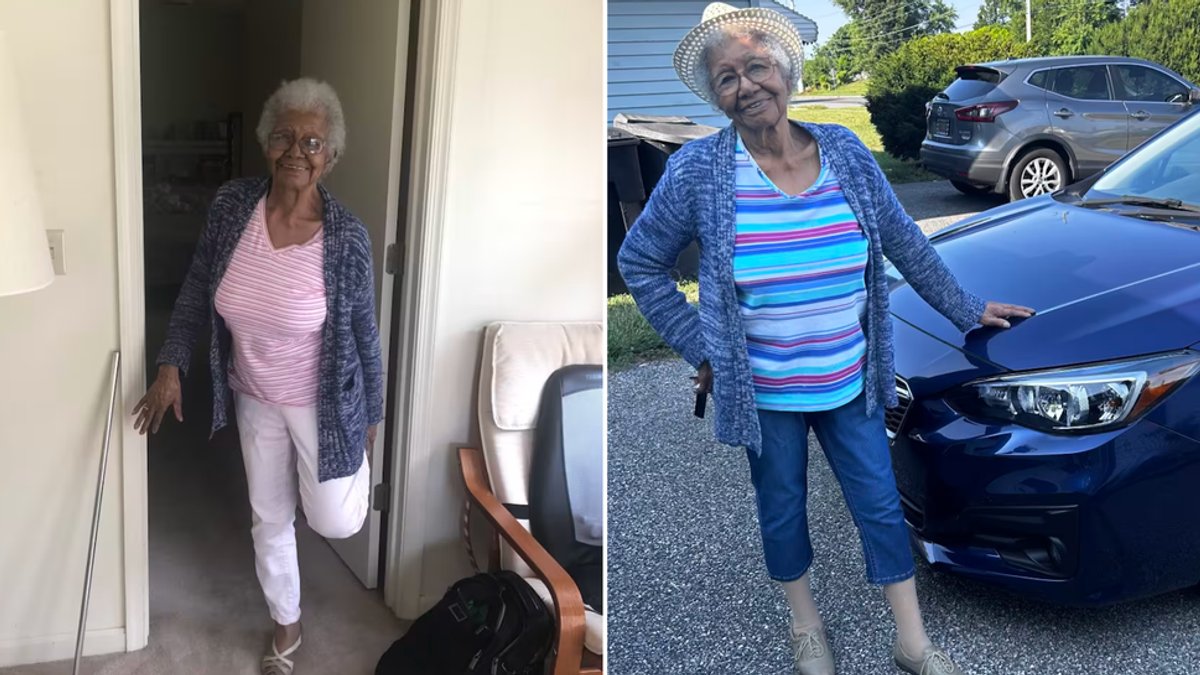
A 108-year-old woman from Delaware has shared her secrets to longevity, which include a focus on leg strength and daily movement. Susan Young Browne, a retired teacher, recently renewed her driving license until 2033 and continues to walk unassisted.
Browne’s daily fitness routine consists of a 10-minute stretching, strengthening, and balancing regimen, as well as chair dancing classes at a local community center. She emphasizes the importance of leg exercises in maintaining her mobility and independence.
The importance of leg strength
Browne’s commitment to lower-body strength is supported by scientific research. Studies have shown a link between leg strength and cognitive function in older adults. One study found that individuals with greater leg strength had 34% lower odds of low cognitive function.
A 10-year study of twin sisters also reported a significant relationship between leg power and cognition. The twin with stronger legs at the beginning of the study maintained better cognitive function and showed fewer age-related brain changes over time.
Simple exercises for lower-body strength
Browne’s routine includes two simple exercises that can be done at home with minimal equipment. The first is a single-leg balance exercise, which helps improve strength and stability. The second is a wall sit, an isometric exercise that targets the quadriceps and improves endurance and balance.
To perform a wall sit, lean against a stable wall and slide down into a squat position, keeping your back against the wall and your spine neutral. Hold this position for a set amount of time, engaging your core muscles. This exercise can be modified by adjusting the angle of your knees or adding arm movements for increased challenge.
Incorporating leg exercises into daily life
In addition to wall sits, Browne also recommends bodyweight squats as a simple and effective way to improve lower-body strength. These exercises can be done anywhere and have been shown to have cognitive benefits when performed during long periods of sitting.
By incorporating these simple exercises into her daily routine, Browne has maintained her physical and cognitive health well into her centenarian years. Her story serves as a reminder that regular physical activity, even in small amounts, can have significant long-term benefits. As people age, focusing on functional movements and lower-body strength can help preserve independence and quality of life.
Bodyweight Squat Technique
Begin with feet hip-width apart, toes slightly out if comfortable. Keep the ribcage over the pelvis, then push hips back and bend knees as if sitting down.
Maintain an upright, relaxed chest while lowering to a pain-free depth. Return to standing by pushing through the entire foot.
The benefits of training for everyday life
Training for everyday life, which focuses on movements that mimic real-life activities, has been shown to improve balance, coordination, and overall fitness. By incorporating exercises like wall sits and bodyweight squats, individuals can enhance their ability to perform daily tasks and maintain their independence as they age.


