
Native Hawaiians will need to comply with new work requirements to qualify for Medicaid after being excluded from exemptions carved out for other Indigenous groups. This omission has clinicians fearing it will exacerbate the challenges the marginalized population already faces in getting healthcare. In 43 states and the District of Columbia, President Donald Trump’s signature One Big Beautiful Bill Act will require most adults to work, go to school or enter a training program, or volunteer for at least 80 hours a month.
Native Americans and Alaska Natives are exempt from the mandates, which take effect in January. Of the nearly 700,000 Native Hawaiians in the U.S., around 47% live in Hawai‘i. Within the contiguous United States, California, Washington, Nevada, Texas, and Oregon have the largest populations of Native Hawaiians.
Medicaid Exemptions
Hawai‘i’s Medicaid administrator, Meredith Nichols, said the Centers for Medicare & Medicaid Services didn’t respond to the state’s request to include an exemption for Native Hawaiians but said she believes the decision came down to the population’s lack of recognition as a tribal nation. Hawai‘i has about 390,000 Medicaid enrollees, 15% of whom identify as Native Hawaiian, Nichols said.
They know that when they’ve asked similar questions in the past, it all comes down to federal recognition, Nichols said. Hawai‘i health administrators met with Trump administration officials in June, and some unsuccessfully pushed to add an exemption to the new law, which would need congressional approval.
Health Disparities
Native Hawaiians face many of the same health disparities as Native Americans and Alaska Natives, including higher risks during pregnancy, higher infant mortality rates, and higher rates of being uninsured than the white population. And in Hawai‘i, Native Hawaiians have the second-lowest life expectancy among ethnic groups after other Pacific Islanders.
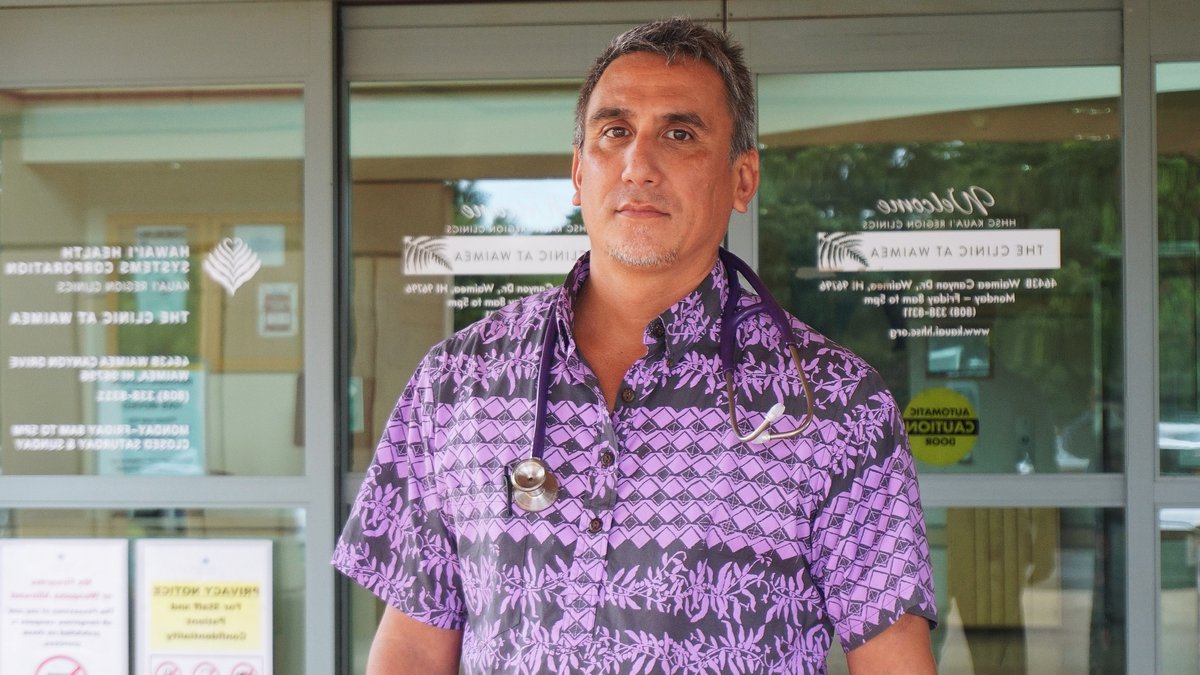
Kapono Chong-Hanssen, the medical director of Ho‘ōla Lāhui, the Native Hawaiian healthcare system on Kaua‘i, said he anticipates many of his patients will no longer receive the care they need once the new work requirements take effect. The new requirements will erode the trust healthcare providers worked hard to build among Native Hawaiian patients, who, in response to historical disenfranchisement, are more likely to disengage and “throw the whole system out” when they run into barriers, Chong-Hanssen said.
Read Also: New health updates in latest KFF podcast
Barriers to Compliance
Beyond medical services, Medicaid covers transportation expenses when patients travel between islands for care. A round-trip ticket between Kaua‘i and O‘ahu, for example, can cost hundreds of dollars. Congress placed over 200,000 acres of land in a trust for Hawaiian homesteads in 1921 to bring Hawaiians back to their native lands after the U.S. backed the 1893 illegal overthrow of the Hawaiian kingdom. Waianae Coast Health Center CEO Rich Bettini noted that the high cost of living and low wages in Hawai‘i have pushed many people into homelessness, creating another barrier to complying with the new Medicaid requirements.
The center estimated about 2,800 of its patients may be affected by the requirements, half of whom are Native Hawaiian. It is likely that the new requirements will further strain the already struggling Native Hawaiian population, potentially forcing them to choose between basic necessities and healthcare.
Given the historical context and the current challenges faced by Native Hawaiians, the lack of exemption will exacerbate existing health disparities and create new barriers to accessing care. The average income of Waianae Coast Health Center’s patients is under $30,000 a year, according to Bettini. “That is an enormous gap,” he said.
Native Hawaiians face obstacles to being granted the same exemptions as other Indigenous groups, largely due to their lack of federal recognition as a tribal nation. Native Hawaiian advocates, such as Keolamaikalani Dean, the CEO of the King Lunalilo Trust, are pushing for changes that would give Native Hawaiian healthcare systems the same full Medicaid reimbursement that the Indian Health Service receives.
Dean views the new Medicaid requirements as part of a broader pattern of federal policies limiting Native Hawaiians’ healthcare access.


