
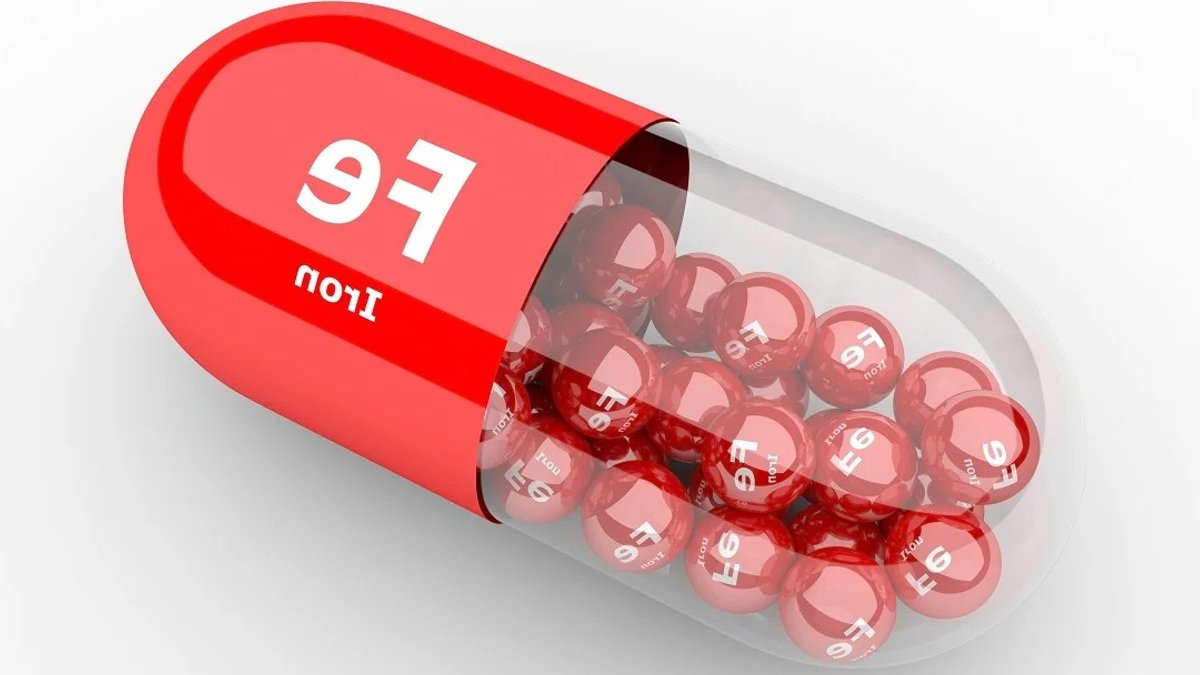
The LP299V probiotic is being examined for its ability to improve iron absorption, a review in Frontiers in Nutrition reports.
Mechanisms that may boost iron uptake
Researchers say the strain can produce organic acids that lower intestinal pH, helping keep iron soluble. It may also counteract phytates—compounds in grains and legumes that bind iron and hinder absorption. In laboratory models the bacteria appeared to increase expression of the gene that codes for the enzyme DCYTB, which converts ferric iron to the more absorbable ferrous form.
The review notes that evidence for an effect on the main iron transporter DMT1 remains unclear. Separate studies looked at how the probiotic influences gut barrier integrity and short‑chain fatty‑acid production, factors that could indirectly affect nutrient uptake.
Related: Menopausal Women Fall Short on Daily Protein, Study Finds
Study results show improved iron markers
A double‑blind trial with 326 pregnant participants gave a supplement containing the strain, folic acid, vitamin C and a low dose of iron. Women who took the probiotic had higher serum ferritin—16 µg/L versus 13.8 µg/L—and hemoglobin levels of 122.5 g/L compared with 117.4 g/L in the control group.
Iron deficiency was reported in 59 % of the probiotic group versus 78 % among those receiving placebo, while iron‑deficiency anemia occurred in 7.4 % versus 21 %. A separate trial of 295 newly diagnosed iron‑deficiency anemia patients added the probiotic to standard oral iron therapy. After three months, the probiotic arm showed greater increases in ferritin, hemoglobin, serum iron and transferrin saturation.
Gastrointestinal intolerance dropped dramatically, with 13 % of the probiotic users reporting side effects compared with 46.5 % of the control cohort. Early discontinuation within 30 days fell to 3.6 % from 15.9 %.
Related: Austria Juice taps into daily health drinks
Potential role in women’s health
The probiotic should be viewed as a bioavailability enhancer rather than a substitute for dietary iron or supplements, the authors stress. Responses can vary with diet composition and the specifics of any iron‑replacement regimen, indicating the need for further investigation.
Limitations and next steps
The review compiled ten peer‑reviewed studies, many of which involved specific populations such as pregnant women, athletes and individuals with diagnosed anemia. While the data suggest a positive trend, the sample sizes are modest and the studies differ in probiotic dosing and co‑nutrient combinations.
Future research will need to isolate the strain’s effect from that of accompanying nutrients like vitamin C, which itself enhances iron absorption. Clarifying the role of the gut microbiome in iron metabolism could also inform broader strategies for addressing micronutrient deficiencies.


