
A 6-year-old girl stood in the doorway of her neighbor’s apartment in Oxnard, California, her brown eyes flickering with hope as she asked Norma Gómez: “Are you the person who’s going to bring my mom back?”
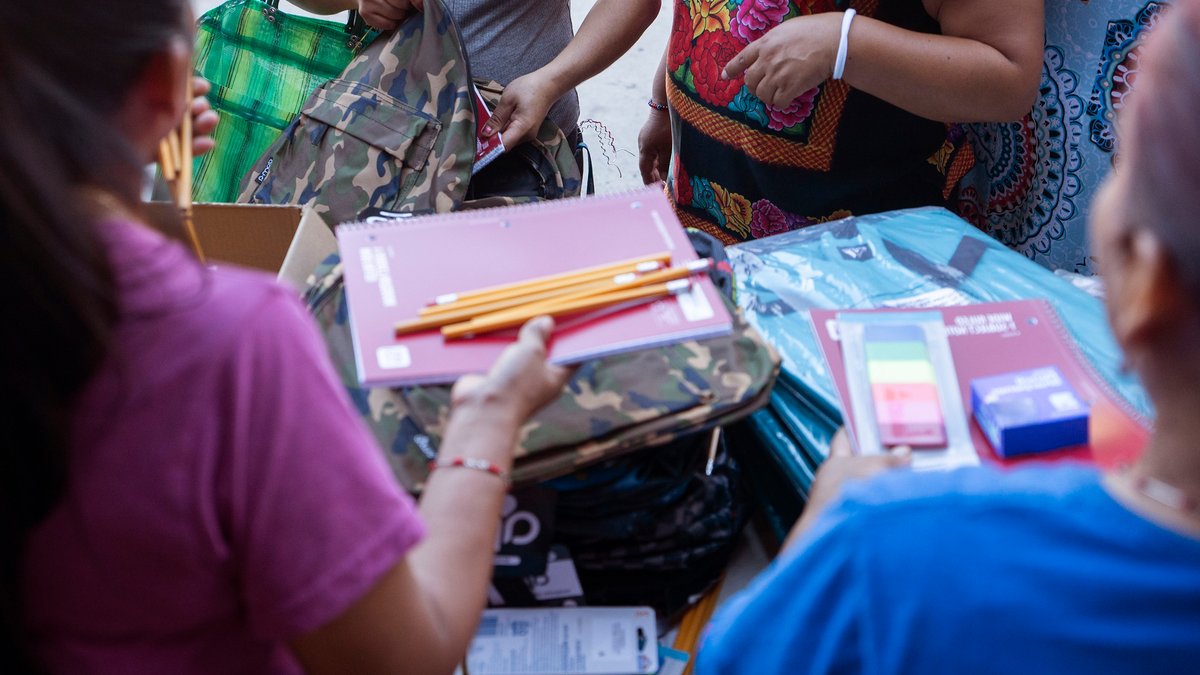
Gómez, a project manager for a nonprofit providing food assistance to families affected by Immigration and Customs Enforcement (ICE) raids, had no answer. She had brought diapers, baby wipes, and clothes—not because she could reunite the youngsters with their parents, but because someone had to.
Gómez’s visit that December morning was one of many she had made since Donald Trump returned to the presidency, witnessing firsthand how his immigration policies were unraveling families across the country. The girl’s mother had been arrested outside their apartment just days earlier, leaving the children in the care of a neighbor.
By April 2025, federal authorities had detained at least one parent of an estimated 205,000 children. The toll on youngsters is severe: separation from parents destabilizes households, forces remaining caregivers to scramble for housing and medical care, and leaves some kids alone to fend for themselves.
Even those whose parents remain free face threats to their well-being. In February 2025, two children in the South died by suicide after being bullied over their family’s alleged immigration status.
Millions more are losing access to critical supports. Federal and state governments have rolled back eligibility for immigrants, both documented and undocumented, for programs like food assistance, tax credits, and healthcare.
Fear of ICE enforcement has pushed parents to avoid taking kids to school, doctors, or even social activities. Some have disenrolled children from health and nutrition programs entirely. Young people from immigrant backgrounds report higher rates of emotional distress, bullying, and anxiety about racial profiling, even when they or their parents are citizens or legal residents.
About one in four U.S.-born children has an immigrant parent, including roughly 4.6 million with a parent lacking legal status. The strain on these families is compounded by Trump’s aggressive enforcement policies. Since taking office last year, his administration has prioritized mass deportations, detaining the parents of an estimated 145,000 U.S. citizen children as of April.
It has also sought to rescind temporary protected status (TPS) for over 1 million immigrants, many of whom have citizen children, and stalled renewals in the Deferred Action for Childhood Arrivals (DACA) program, affecting the parents of about 300,000 citizen children.
A 13-year-old boy in Oxnard now asks his mother for reassurance every time his father, a farm laborer, leaves for work. He asks her for reassurance that his father will return, and about what would happen to him if his parents got detained. His mother hurries him through public spaces, fearing detention at any moment. Doctors and therapists report a surge in childhood anxiety, depression, and trauma.
In June, a 19-year-old in Atlanta, Eliel José, took his own life after his father was deported to Mexico. Community organizations say they are fielding calls from parents whose children are suicidal or depressed, often because they lack health insurance to pay for therapy. Worksite raids and policy changes have left many families uninsured, deepening the crisis.


